Cabo Pulmo Diving
Dive the only living coral reef on the west coast of North America — a UNESCO World Heritage marine park two hours north of Cabo that has rebounded from overfishing into a model of marine recovery.
At a glance
Real-time availability through our booking engine. No service fees.
Cabo Pulmo National Marine Park, two hours north of Cabo San Lucas on the East Cape, protects the only living coral reef on the west coast of North America. A 1995 fishing ban and subsequent protection have triggered one of the most dramatic marine recoveries ever documented — fish biomass increased more than 400 percent. Today this UNESCO World Heritage site is a premier dive destination, with massive schools of fish, healthy coral, and the famous 'bull sea lion' colonies that gather each summer.
What It Is
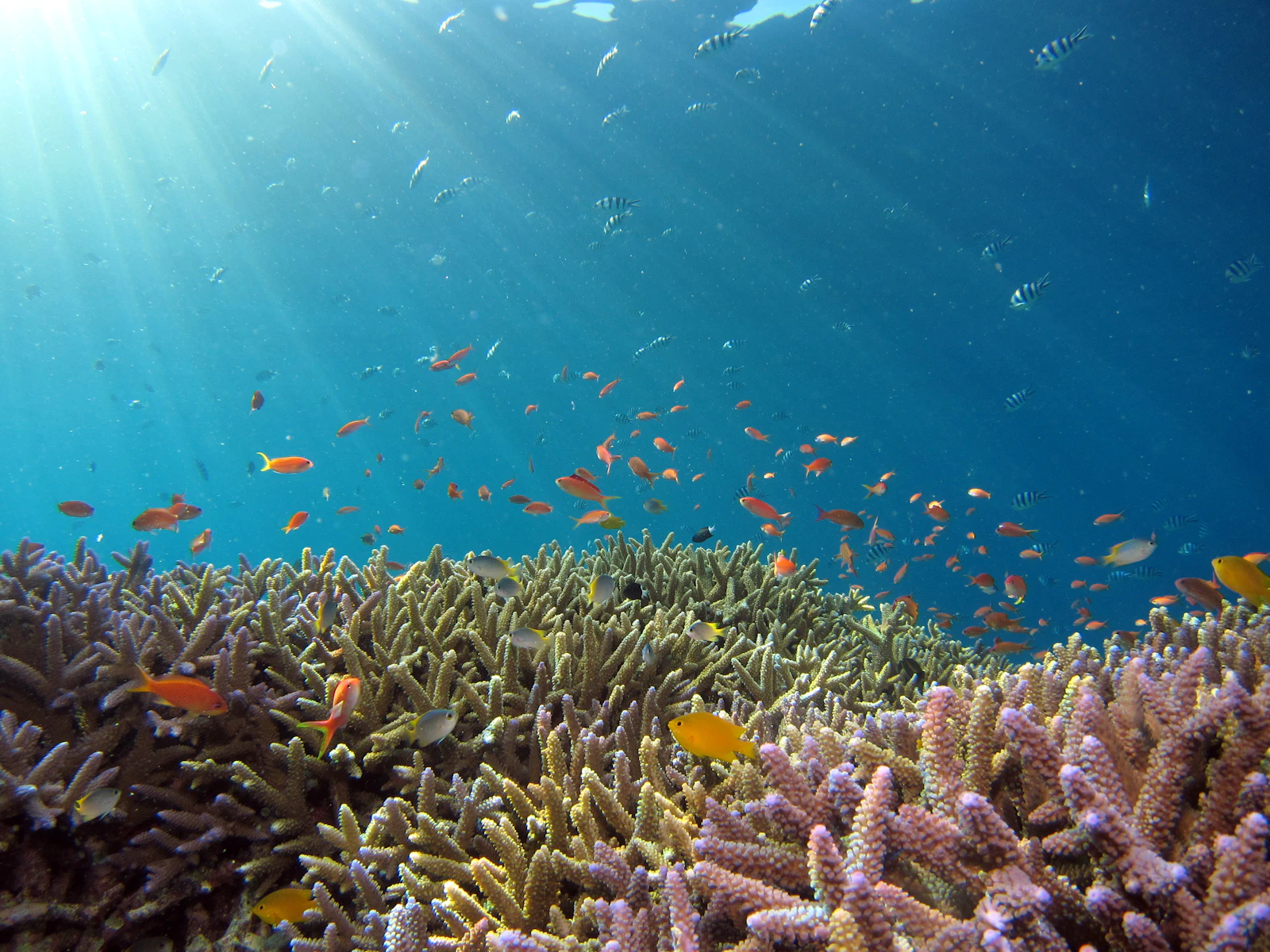
A full-day scuba diving excursion to Cabo Pulmo National Marine Park, including round-trip transport from Los Cabos and a two-tank dive on the reef. The park encompasses several dive sites, from shallow coral gardens to deeper wreck and reef dives. Operators typically run small groups of six to eight divers with a local divemaster who knows the sites. The reefs here are unlike anything else on the Baja coast — branching corals, gorgonians, and clouds of fish that you can see from the surface.
Why Go
Cabo Pulmo is the most successful marine conservation story in the Sea of Cortez, and arguably in North America. After decades of overfishing, the 1995 protection triggered a recovery so dramatic it has been studied worldwide. Diving here means drifting through enormous schools of jacks, watching mobula rays pass overhead, and exploring healthy coral formations found nowhere else on the Pacific coast. The 'bull sea lion' gathering in late summer is a unique phenomenon that draws divers from around the world.
What to Expect
Most operators pick up at Cabo hotels around 7 a.m. for the two-hour drive north, the last stretch on a dirt road. Two dives are typical, with a surface interval on the beach. Dive sites include El Cantil, El Bajo, Los Morros, and the wreck of the Colima. Visibility runs 50 to 100 feet in summer, less in winter. Water temperature ranges from the mid-70s F in winter to the mid-80s F in late summer. Lunch is usually included at a local restaurant. You will be back in Cabo by 6 or 7 p.m.
Best For
Certified divers who want to see what a fully recovered coral reef looks like, conservation-minded travelers, and photographers chasing massive fish schools. Cabo Pulmo is intermediate-level diving — currents can be moderate and depths reach 80 feet. Not appropriate for non-divers, beginners without at least open-water certification and some experience, or anyone with mobility issues (the dirt road and beach entries are rough).
Insider Tips
Visit from July through October for the warmest water, clearest visibility, and the famous gathering of large male sea lions (the 'bulls') that congregate on the rocks. The Colima wreck, sunk as an artificial reef in 1999, is a great second dive — ask if it is on the itinerary. The last stretch of road into Cabo Pulmo is dirt and bumpy; motion sickness medication helps. Bring cash for the small park fee, snacks in the village, and tips. Book well in advance for peak summer dates.
What to Bring
Certification card and logbook, swimsuit, towel, reef-safe sunscreen, a 3mm to 5mm wetsuit depending on season, hat, sunglasses, a windbreaker for the boat, a dry bag, a reusable water bottle, and cash for tips, park fees, and lunch extras. Bring your own dive computer if you have one. Pack motion sickness medication for the dirt road and the boat ride.
Cabo Pulmo Diving — FAQ
Why is Cabo Pulmo special?
It protects the only living coral reef on the west coast of North America. After a 1995 fishing ban, fish biomass increased more than 400 percent — one of the most dramatic marine recoveries ever documented. The site is now a UNESCO World Heritage marine park.
How far is Cabo Pulmo from Cabo San Lucas?
About 100 kilometers (60 miles) north along the East Cape, roughly a two-hour drive each way. The last stretch is on a dirt road. Most dive tours include round-trip transport from Los Cabos hotels.
What certification do I need?
Open-water certification with some experience. The diving is intermediate-level — depths reach 80 feet and currents can be moderate. If you have not dived in over a year, a refresher before the trip is strongly recommended.
What is the 'bull sea lion' phenomenon?
Each summer, large male sea lions — 'bulls' — gather at the rocks off Cabo Pulmo in unusual numbers. The congregation is unique to this area and season, and is a draw for divers and underwater photographers from July through October.
When is the best time to dive Cabo Pulmo?
July through October offers the warmest water (low- to mid-80s F), best visibility (often 80 to 100 feet), and the bull sea lion gathering. Winter brings cooler water and lower visibility but fewer crowds and possible whale sightings on the surface.
Related Los Cabos experiences


Ready to experience Cabo Pulmo Diving?
Check live availability and book through our network — no service fees, vetted operators.